Short answer
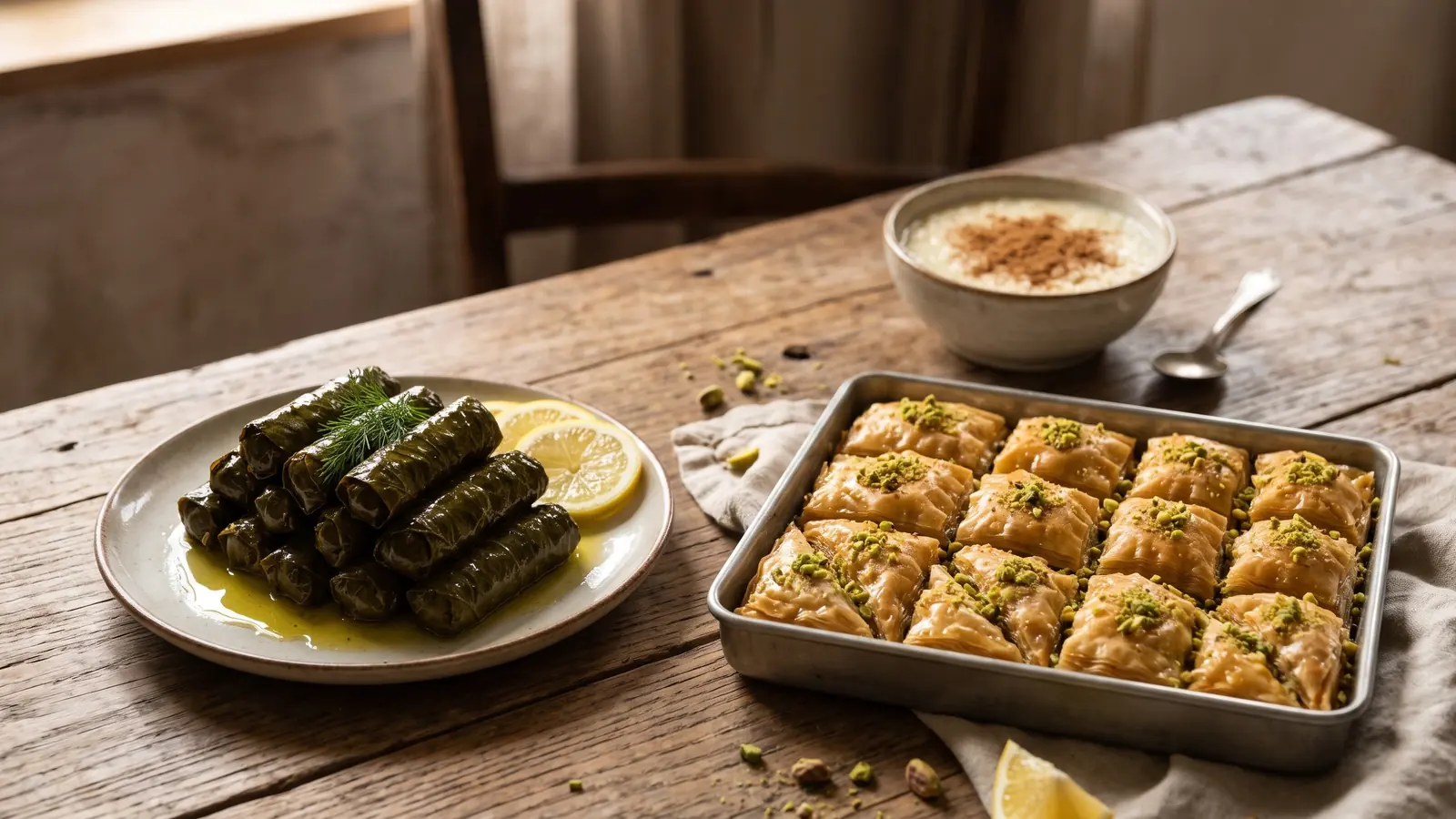
A stuffed grape leaves recipe in the Greek style fills tender grape leaves with rice, onion, dill, mint and olive oil, rolls them into small bundles and simmers them in lemon water until soft. They are eaten warm or cold as a mezze dish called dolmades.
A stuffed grape leaves recipe in the Greek style fills tender grape leaves with rice, onion, dill, mint and olive oil, rolls them into small bundles and simmers them in lemon water until soft. These rolls are called dolmades, and they are eaten warm or cold as a mezze dish.
This guide covers what dolmades are, what goes inside, jarred vs fresh leaves, a step-by-step recipe and how to serve and store them.
What are stuffed grape leaves (dolmades)?
Stuffed grape leaves are small rolls of grape vine leaves wrapped around a filling of rice and herbs, sometimes with ground meat. In Greece they are called dolmades, singular dolma or dolmas, and the dish is shared across Greece, Turkey, the Levant and the Balkans.
The word dolma comes from a Turkish verb meaning to be stuffed. The same word covers stuffed peppers, tomatoes and zucchini in many countries. Vegetarian versions with rice and herbs are often called yalanji, meaning liar, in Arabic cooking because they have no meat.
What goes in the filling?
The classic Greek filling is rice, finely chopped onion, dill, mint, olive oil, lemon juice, salt and pepper. Some versions add pine nuts, currants or tomato, and meat versions use ground lamb or beef.
| Ingredient | Role |
|---|---|
| Short or medium grain rice | Soaks up liquid and holds the roll together |
| Onion | Sweetness and moisture |
| Dill and mint | Fresh herb flavor |
| Olive oil | Richness and tenderness |
| Lemon juice | Brightness, also used in the cooking liquid |
| Pine nuts or currants | Optional, for crunch and sweetness |
Rice should be rinsed and used raw. It cooks inside the roll and expands, so the rolls are filled loosely.
Jarred or fresh grape leaves: which should you use?
Jarred grape leaves are the practical choice for most cooks, while fresh leaves give a more tender, delicate roll if you have access to a grapevine. Fresh leaves must be young, soft and unsprayed, and blanched before use.
Jarred leaves come packed in brine. Rinse them well in warm water, trim the tough stems and separate them gently. If the brine is very salty, soak them in warm water for 10 to 15 minutes. Do not salt the filling heavily until you have tasted the leaves.
How do you roll stuffed grape leaves?
To roll a grape leaf, place it shiny side down with the stem toward you, add a spoonful of filling near the stem, fold in the sides and roll up tightly. The rolled bundle should look like a small finger, firm but not tight enough to tear.
- Lay one leaf vein side up on a board and trim the stem.
- Put about 1 teaspoon of filling near the base of the leaf.
- Fold the bottom of the leaf over the filling, then fold in both sides.
- Roll toward the tip into a neat, snug bundle.
- Place the roll seam side down in the pot, packed closely in a ring.
Rice expands as it cooks, so leave a little room. Small leaves make smaller, neater rolls, and torn leaves can be patched or used to line the pot.
How do you cook dolmades?
Cook dolmades by lining a pot with spare leaves, packing the rolls in a tight layer, covering them with water, olive oil and lemon juice, and simmering gently until the rice is tender. A heatproof plate set on top keeps the rolls from unrolling.
Add about 1 1/2 cups of hot water, 1/4 cup olive oil and the juice of 1 lemon for a medium pot of rolls. Cover and cook on low heat for 45 to 60 minutes. Test one by tasting the rice. Let them cool in the pot, since the flavors settle as they rest.
How do you serve stuffed grape leaves?
Serve dolmades cold or at room temperature with lemon wedges, or warm with a lemon egg sauce or yogurt if they contain meat. They fit a mezze table with hummus, olives, feta and pita.
- Drizzle with olive oil and lemon just before serving.
- Add a spoon of thick yogurt on the side.
- Pair with tomato, cucumber and olives for a light plate.
- Serve warm with a lemon sauce for meat versions.
How do you store them?
Store cooked dolmades in an airtight container in the fridge for up to 5 days, covered with a little olive oil. They can be frozen for 2 to 3 months, then thawed overnight in the fridge.
Cold dolmades taste better after a few hours of resting, and many people make them a day ahead. Reheat gently in a covered pan with a splash of water.
What common mistakes should you avoid?
The most common dolmades problems are rolls that split, rolls that stay hard and a pot that scorches. Each one has a straightforward fix.
- Split rolls: the leaf was too small or the filling too generous. Use a smaller spoonful.
- Hard rice: not enough liquid or too short a cook. Top up with hot water and cook longer.
- Scorched bottom: line the pot with spare leaves and keep the heat low.
- Bitter or tough leaves: large, old leaves are tougher. Choose small, soft ones and trim the thick stems.
- Rolls that unwrap: place them seam side down and weigh them with a plate.
What variations of dolmades exist?
Dolmades vary by filling, region and sauce. The rice and herb version is the most common vegetarian one, and meat versions are popular in colder months.
- Rice and herb: the version served cold with lemon in Greece.
- With ground lamb or beef: served warm, often with a lemon egg sauce.
- With currants and pine nuts: a sweeter version found in the eastern Mediterranean.
- Stuffed vegetables: peppers, tomatoes and zucchini are also called dolma or gemista when baked with a similar filling.
Which Blue Fig International Market items connect to this dish?
Blue Fig International Market’s recorded menu lists fresh produce, imported cheeses, canned and dried goods and fresh pita bread from Baklava Bakery, which are the usual companions of a dolmades spread. It does not list stuffed grape leaves or any jarred leaf brand, and this guide does not claim the store stocks one.
If you want jarred leaves, call (972) 258-3344 and ask before you visit. The menu page shows what public sources record, and prices are not listed anywhere.
Common questions
What is the difference between dolmades and dolma?
Dolmades is the Greek plural for stuffed grape leaves, and dolma is the Turkish and wider Middle Eastern term for stuffed vegetables and leaves. The words share a root meaning stuffed, and the fillings and herbs vary by region.
Can you use jarred grape leaves?
Yes. Most home cooks use jarred or vacuum packed leaves. Rinse them in warm water to remove excess brine, trim the stems and blanch them briefly if they feel tough. Fresh leaves need a short blanching first.
Why are my stuffed grape leaves hard?
Hard dolmades usually mean the rice is undercooked or the leaves are tough. Add enough liquid, cover with a plate so the rolls stay submerged, and simmer gently until the rice and leaves are soft.
Are stuffed grape leaves served hot or cold?
Both. Greek dolmades with only rice and herbs are often served cold or at room temperature with lemon. Versions with ground meat are usually served warm, sometimes with a yogurt or lemon egg sauce.
How many grape leaves do you need?
A jar usually holds 40 to 60 leaves, enough for about 35 to 45 dolmades with some spare for lining the pot. Use torn or small leaves to line the bottom so the rolls do not scorch.
Before you go, check the Blue Fig International Market guide for the current hours and the menu.
This article is general information from an independent guide, not from Blue Fig International Market itself. For the store’s current details see hours and location.